



Description
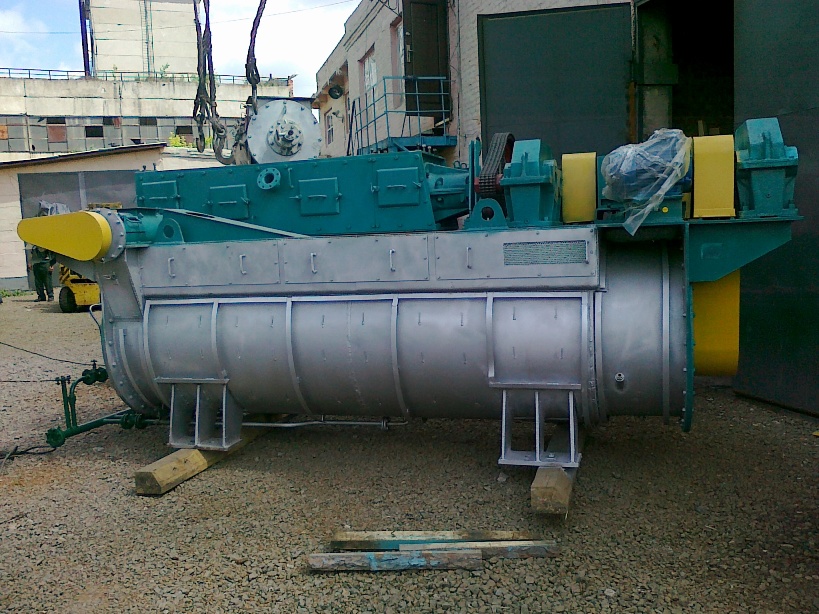
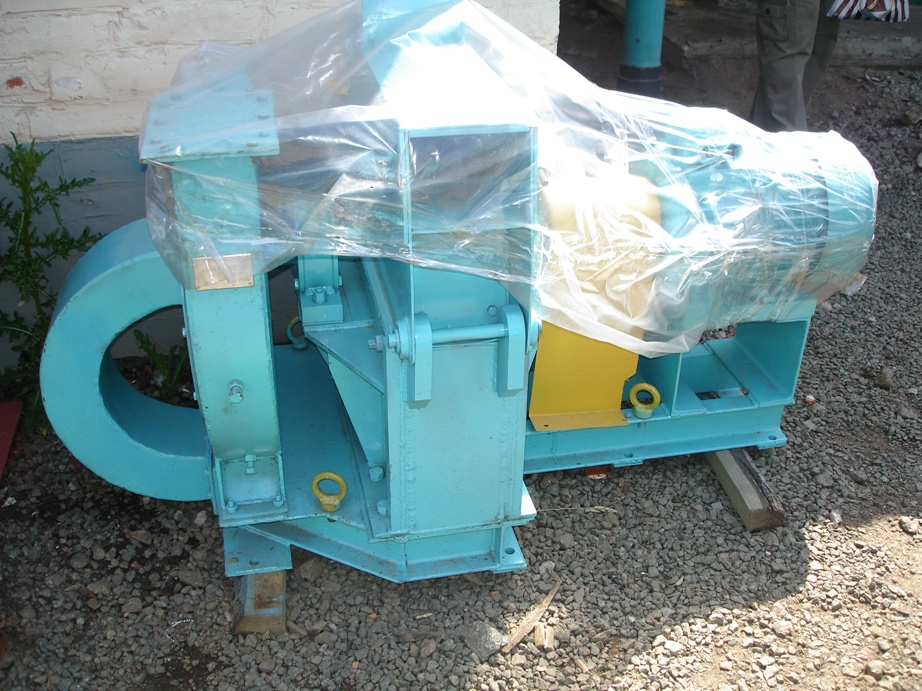
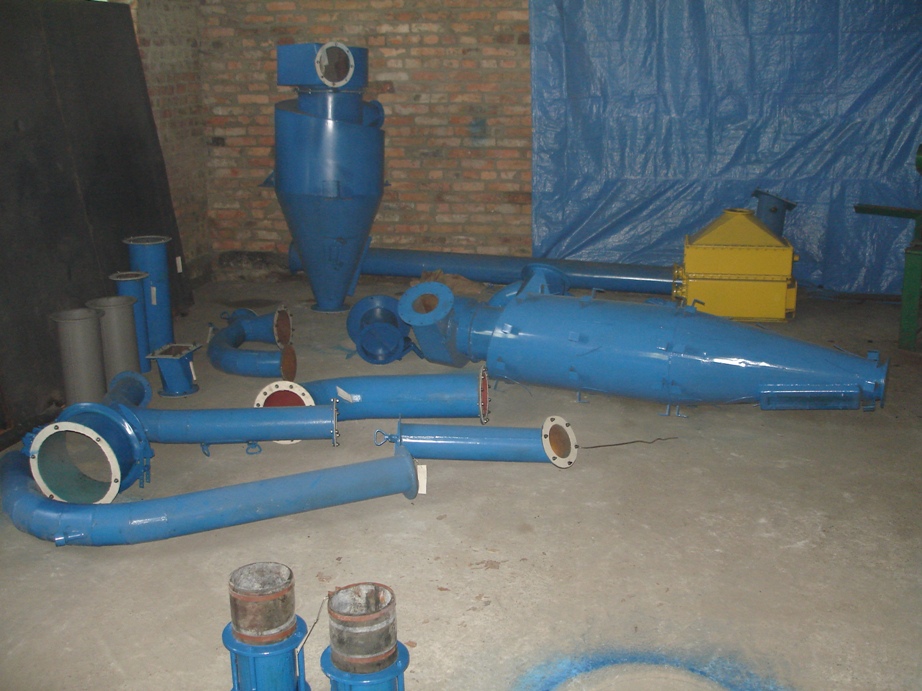
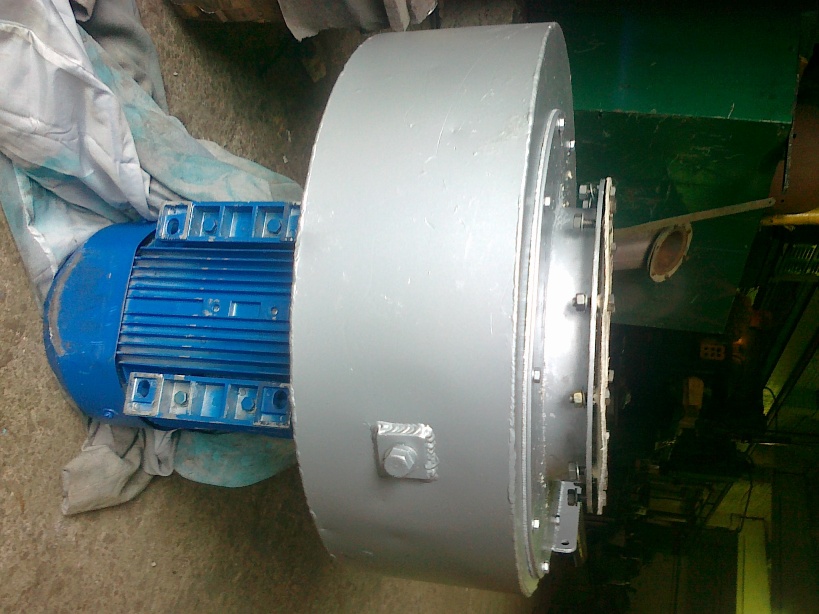
Fishmeal Plant for the Production of Feed Meal and Technical Fish Oil from Fish Waste and Low-Value Fish Species
Relevance of the Topic
In today’s context of sustainable development, full utilization of biological resources and waste minimization in the fish processing industry is of vital importance. One effective solution is the processing of fish waste and low-value fish species into feed meal and technical fish oil. This not only reduces environmental impact but also produces valuable secondary products for agriculture, particularly in animal husbandry and aquaculture.
Purpose of the Fishmeal Plant
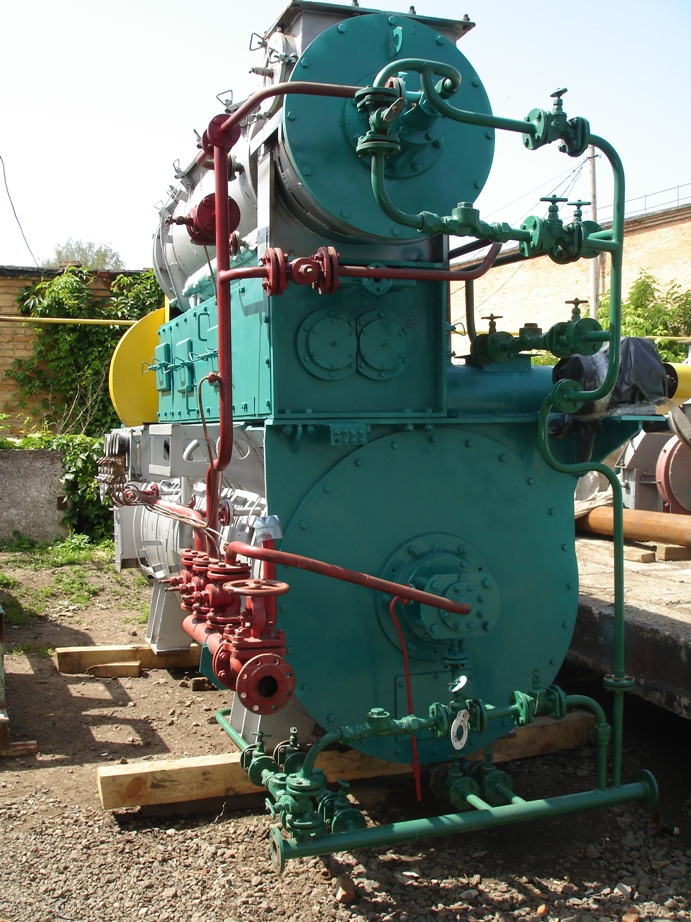
A fishmeal plant is a specialized equipment complex designed for the thermal processing of fish raw materials, followed by the separation of fat, drying, and grinding of solid residues. As a result, the following products are obtained:
- Feed meal – a protein-rich product used for animal feed;
- Technical fish oil – used in various industries (soap production, lubricants, industrial additives).
Raw Material Base
The plant can process:
- Filleting waste (heads, backbones, entrails);
- Low-value fish species (sprat, goby, capelin, low-grade herring);
- Waste from canning or refrigeration fish production.
This allows for lower production costs and supports a sustainable processing cycle.
Technological Process
The processing technology typically includes the following stages:
- Grinding the raw material – reducing particle size for uniform heating.
- Thermal processing (cooking/steaming) – denaturation of proteins and elimination of pathogenic microorganisms.
- Pressing – mechanical separation of the fat fraction.
- Separation – final separation of oil and water.
- Drying of the solid residue – reducing moisture content to 8–12%.
- Grinding into meal – transforming the dried material into a finished product.
Plant Features
Modern fishmeal plants are characterized by:
- Full process automation;
- Energy efficiency (reuse of thermal energy);
- Compact and modular design;
- Compliance with sanitary and environmental standards.
Some models operate in a continuous mode, which increases productivity and reduces losses.
Advantages of Use
- Environmental sustainability – reduced organic waste;
- Economic benefit – additional income source for fish processing facilities;
- High-quality feedstock – rich in protein and amino acids;
- Local processing potential – lower logistics costs.
Conclusions
A plant for processing fish waste into meal and technical oil is an essential element of resource-efficient technologies. It helps reduce environmental impact while creating a new niche for the production of high-quality products with minimal costs. Implementing such systems is a logical step toward improving the efficiency of the fish processing industry.


